

Looking for the healthiest cat litter? Learn how paw comfort, dust, fragrance and your cat’s individual needs can guide a better choice.
Choosing the healthiest cat litter starts with your cat’s comfort, not a promise on the bag.
A Veterinary Pathology study examined paw biopsies from 13 cats. Researchers found silica-like particles in inflamed tissue; tested samples resembled silica-based litter. Ten cats also showed evidence of an underlying paw-pad condition.
This small case series cannot tell us how common the problem is or prove that all clay or crystal litter is unsafe. It highlights extra care for cats with sore or damaged paws.
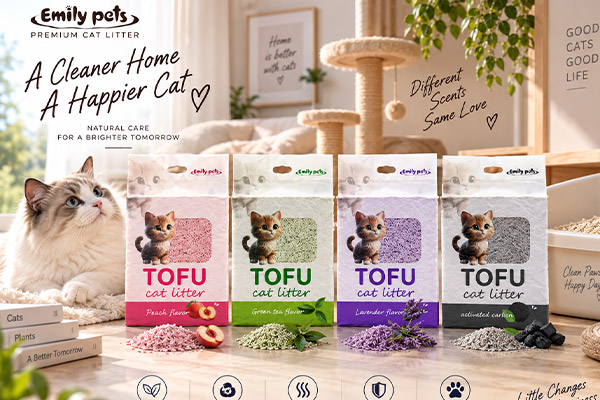
Put comfort first
Choose a soft, unscented litter your cat willingly uses. Look for low-dust options, but assess each product individually. No single material is the healthiest cat litter for every cat.
Compare materials
Clay, tofu, paper and wood litters vary in texture, dust and cleaning needs. Plant-based does not automatically mean safer. For cats with paw-pad disease, ask a vet whether a different substrate could help.
Offer a choice
Place new litter in a separate tray so your cat can try it. Keep trays clean, and watch for hesitation, less digging or accidents. A litter your cat avoids is a poor fit, whatever its label says.
Watch the paws
Swelling, bleeding, persistent licking or limping need veterinary attention. A litter change alone may not address the cause.
The healthiest cat litter for your pet balances comfortable paws, reliable use and practical cleaning. Let your cat’s behaviour and individual health needs guide your choice.
FAQ
Trusted Cat Litter Manufacturer for OEM, Private Label & Bulk Orders
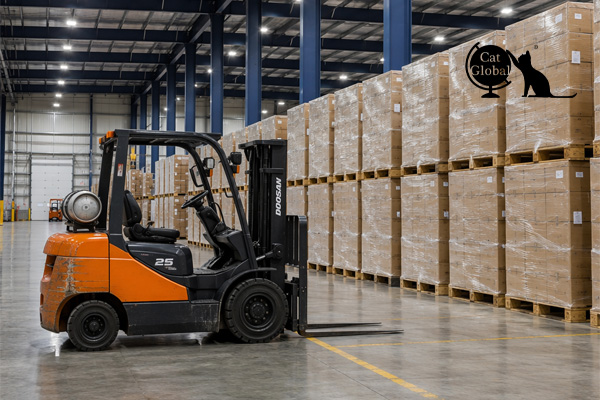
Emily Pet is the export brand of PY-PET, manufactured in our own Aisha-Pet factory in Dalian, China. 18,000 m², 12 production lines, 6,000 tons/month. ISO 9001, BSCI, SGS, SEDEX, MSDS certified. Shipping to 80+ countries across Southeast Asia, South America, North America, and the Middle East.
 English
 日本語
 Русский
 العربية
 Español
 ไทย