

- 中東のペット用品市場における新興市場としての機会は、高級志向に牽引され、輸入に依存している。具体的には、一人当たりの支出額が高いこと(業界筋によるとサウジアラビアは約900米ドル)、安定した中価格帯製品に対する需要が旺盛であること、そして中価格帯セグメントにおいて実質的な供給不足が存在することなどが挙げられる。.
- 東南アジア市場は価格に敏感で、気候の影響を強く受けます。湿度が商品カテゴリーの構成を左右しており、生分解性の植物繊維製や低発塵性の凝集型製品が、大容量サイズ市場で優位性を高めています。.
- EmilyPetsは、中国・大連の単一生産ラインから、ベントナイト猫砂(容量ベース)、豆腐・キャッサバ猫砂(植物由来の差別化)、松の木屑ベッド用敷き材、ドロマイト入浴用砂などを出荷しており、これらはすべて2000年より同工場から製造されています。.
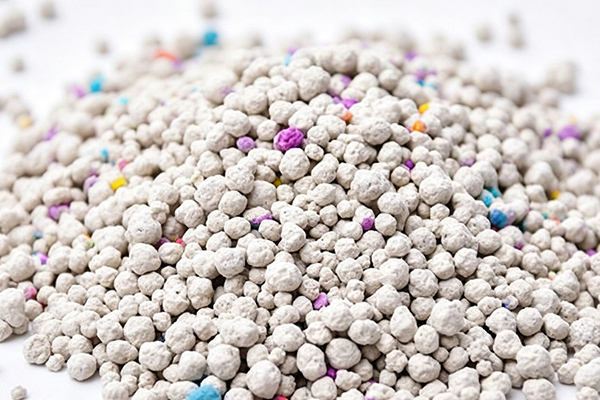
- ベントナイト猫砂は、95%以上のワイオミング産グレードのナトリウムベントナイトを使用し、粒径1.6~2.5 mmの「低トラッキング」ペレットで、5秒で岩のように固い塊を形成し、72時間アンモニアを封じ込める性能を備えており、中東市場における大容量パックの需要に合致しています。.
- 4~6週間で生分解され、一般的な住宅の配管で水洗が可能で、真空圧縮された防湿包装が施された豆腐とキャッサバ由来の猫用トイレ砂は、東南アジアの暑く湿度が高く、人口密度の高い都市環境に適しています。.
- 販売チャネルの構造は国によって異なります。GCC諸国ではスーパーマーケットやEコマースへの移行が進んでおり、インドネシアは実店舗が中心、ベトナムとフィリピンではEコマースへの移行が進んでいます。各国に応じて販売チャネル戦略を調整する必要があります。.
- サプライヤーの現地化——アラビア語のラベル、多言語印刷、気候に適した梱包、ルートに応じたコンテナ計画、および7~10日以内のサンプル対応——が、市場参入のスピードと契約条件を左右します。.
- リスク管理の進め方:まず、3~5種類のSKUを混載した20フィートGPコンテナ1個から開始し、50/50のT/T(前払い・後払い)による段階的な支払い、KPI条項(固まり、粉塵、臭気)の明文化、およびGCC準拠状況とラベル規制の継続的な監視を行う。.
2026年版 中東と東南アジアのペット用品比較
| 次元 | 中東(GCC橋頭堡) | 東南アジア(複数国入国) |
| 市場の特性 | 高級品、輸入依存度が高く、一人当たりの支出額が高い;中価格帯の供給不足 | 若年層の割合が高く、急速な都市化が進み、価格に敏感で、販売チャネルが細分化されている |
| 猫用トイレ砂のタイプ | 大容量パック(10 L、20 kg)、ベントナイト、無香料またはほのかな香り | 中型パック(5 L、10 L)、豆腐とキャッサバ、マルチフレグランス、低発塵 |
| 橋頭堡都市 | UAEまたはサウジアラビア(地域ハブとしてドバイ) | マレーシアまたはタイ → インドネシアおよびベトナム |
| チャンネル | スーパーマーケット、ホームセンター内のペットコーナー、地域密着型EC | 実店舗(インドネシア)、スーパーマーケット+EC(マレーシア、タイ)、EC主導型(ベトナム、フィリピン) |
| 物流ルート | ジェベル・アリ/ダンマームまで15~20日;大型パレット積み | ポート・クラン/レム・チャバン/マニラ;防湿包装 |
| ラベルおよびコンプライアンス | アラビア語のラベル、SASO(サウジアラビア)、ESMA(UAE)、国旗なしのデザインオプション | 多言語印刷、各国ごとのラベル規制 |
| 第一順位の推奨 | 3~5種類のSKUを組み合わせた20GPコンテナ分;50/50の分割T/T払い;B/L写しに対する50%条件 | 同じ20GPテストコンテナの仕様;防湿フィルム;真空パック |
2026年にペット用品の新興市場が重要となる理由
欧州や北米での成長曲線が横ばいになる中、中東や東南アジアが世界のペット経済を牽引する最大の原動力となっている。. EmilyPets 卸売用ベントナイト猫砂. 以下のカテゴリの枠組みは、以下に対応しています。 EmilyPetsの豆腐猫砂(卸売) 同じ大連の工場から — 認証を取得済み ISO 9001:2015 品質マネジメント規格 バッチごとに SGSのサンプリングおよび分析サービス 検証。.
しかし、この機会は欧州や北米のビジネスモデルをそのまま模倣したものではありません。中東はプレミアム化と輸入への依存が特徴であるのに対し、東南アジアは価格に敏感で、流通経路が細分化されており、湿度によってカテゴリー構成が左右されるという特徴があります。.
EmilyPetsは輸出志向のペット用品ブランドであり、同社の公式ウェブサイトによると、2000年に設立されたメーカーで、猫用トイレ砂やペットケア用品を幅広く取り揃えている。 本ガイドでは、出典記事の4つの分析項目(地域特性、カテゴリー別需要、流通構造、調達戦略)を、B2B意思決定フレームワークに再構成しています。引用されている市場数値(中東のペット市場:2025年に約44.8億米ドル、年平均成長率約13%; インドネシア:2025年に約28億米ドル、2035年までに68億米ドルへ拡大見込み)は、第三者による業界推計であり、計画立案前に最新のデータと照合する必要があります。.
地域別概況:中東対東南アジア
初進出市場を選定する調達チーム向けの比較ベンチマーク。両地域は、購買力、流通チャネルの構造、気候、そして販売数量を左右する猫用トイレ砂の形態において違いが見られる。.
この表を、製品マトリックス、パッケージサイズ、香り、および言語戦略の意思決定の指針として活用してください。B2Bのバイヤーの多くは、両地域に同時に展開することはできません。自社の製品ポジショニングと販売チャネルの能力に基づいて、足掛かりとなる地域を選んでください。 .
中東:プレミアム化、輸入依存、そして中級市場のギャップ
中東は、プレミアム市場をターゲットとするサプライヤーにとって最優先の市場であり、ラベルやパッケージサイズを現地化することを厭わない中堅のバリュー志向の企業にとっても、強力な第2の優先市場となっている。.
3.1 需要と支出の動向
同記事が引用した業界筋によると、サウジアラビアのペット数は3年間で200%増加しており、UAEには約150万人のペットオーナーがおり、サウジアラビアの1人当たりの年間ペット関連支出は約900米ドルであるという。 ドバイやリヤドの若い世帯は、ペットを飼うことを都市生活の一部として当然のことと捉えており、それが猫用トイレの砂やペットフードの需要を押し上げている。 .
3.2 チャネルの構造
小売市場は、従来のペットショップからスーパーマーケットやホームセンター内のペットコーナーへと移行しつつあり、地域密着型のECも急速に成長しています。サプライヤーは、スーパーマーケット向けの形態(大容量パック、パレット積み)とEC物流向けの形態(小容量パック、破損に強い梱包)の両方に対応できる体制を整えておく必要があります。.
3.3 販売数量を伸ばす猫用トイレ砂の形態
95%以上のワイオミング産ナトリウムベントナイトを使用したベントナイト猫砂は、中東市場で好まれる大容量パッケージに適しています。 EmilyPetsは、5 L/10 Lのカートンおよび5 kg/10 kg/20 kg/25 Lの袋入り製品を、無香料またはほのかな香りのタイプで出荷しています。これらは、中価格帯の供給不足により需要が十分に満たされていない「コストパフォーマンス重視・大容量」セグメント向けに調整されています。.
東南アジア:気候に起因するカテゴリー論
2026年において、東南アジアは最も活気のある新興市場地域ですが、適切な商品カテゴリーの組み合わせは中東とは異なります。商品選定において、湿度が決定的な要因となります。.
4.1 湿度がカテゴリー選択に影響を与える理由
高温多湿の気候下では、真空パックされた植物繊維製猫砂は防湿効果に優れています。また、水洗トイレに流せる仕様は、都市部の密集した住宅環境における廃棄物処理の制約に適しています。さらに、物理吸着は湿度の高い環境下でもより安定した性能を発揮します。 原文では、吸水率が400%以上、アンモニア臭の低減率が92%以上のキャッサバ製猫砂が最適であると記載されています。選択したSKUについて、最新の製品試験報告書で確認してください。.
4.2 国別の猫用トイレ砂の形態
豆腐と天然植物繊維製の猫用トイレ砂は、大容量カテゴリーにおける差別化の切り札であり、活性炭を配合した6L/8Lの真空圧縮タイプの生分解性猫用トイレ砂は、地域に適応した製品形態となっている。 松のおがくず(0.5~4kg)とドロマイト入浴用砂(500g/1kg)は、小型ペット用および入浴用カテゴリー向けの補完的な商品ラインです。.
4.3 国別チャネル戦略
販売チャネルは細分化されている。インドネシアでは、価格感応度が最も高い伝統的なペットショップや地元の卸売市場が主流である。 マレーシアとタイは、スーパーマーケットとEコマースが融合した市場であり、中価格帯のシェアが最も広い。ベトナムは、Eコマースの台頭に伴い、卸売からブランド小売へと移行しつつある。一方、フィリピンはEコマース主導の市場であり、ライブ配信やソーシャルコマースがこのカテゴリーの様相を一新している。単一の地域戦略では通用しない。国ごとに販売チャネルのアプローチを個別に調整する必要がある。.
サプライヤーとの連携およびリスク管理のサイクル
新興市場での失敗の多くは、現地化能力ではなく価格だけでサプライヤーを選定したことに起因しています。EmilyPetsが推奨するサプライヤー調整のための標準チェックリストを以下に示します。.
5.1 検証すべきローカライゼーション機能
対象国向けのアラビア語ラベルデザインおよび現地の規制に関する注意事項(サウジアラビア:SASO、UAE:ESMA)。GCCおよびASEAN諸国の言語に対応した多言語パッケージ印刷能力。気候に適した梱包オプション — 湿度の高い地域向けには真空パックおよび防湿フィルム、中東向けには大型パレット梱包。 ジェベル・アリ、ダンマーム、ポート・クラン、レム・チャバン、マニラ向けのルート別コンテナ計画。サンプル対応の所要時間 — 7~10日が競争力のある期間となります。現在のサンプリング条件をご確認ください。.
5.2 一次リスク管理
規模を拡大する前に、着荷コストと販売実績を確認するため、初回注文は3~5種類のSKUを組み合わせた20GPコンテナ1個分に留めてください。分割払いを利用してください。EmilyPetsの標準的な支払条件は、50%前払い(T/T)および船荷証券の写し提示時に50%支払いです。 契約書の技術付属書に、主要業績評価指標(固まり時間、粉塵含有量、消臭率)を明記してください。.
5.3 避けるべき3つの間違い
欧米の製品マトリックスをそのまま模倣すること。湿度に基づくカテゴリー論理では、欧州向けの製品構成が東南アジアでは失敗する可能性がある。パッケージ、香り、謳い文句を、地域の気候や販売チャネルに合わせて調整する必要がある。検証されていない業界統計。 業界情報源に基づく市場規模や成長率は推定値である。計画やマーケティングに活用する前に、独立した市場データを用いて最新の数値を確認すること。サプライヤーの現地化対応を軽視している。アラビア語のラベル、気候に適応したパッケージ、配送ルートに応じた積載、迅速なサンプル提供が市場参入のスピードを左右する――パートナーを選定する前に、これらの対応能力を評価すること。.
これが輸入業者、卸売業者、ブランドオーナーにとってなぜ重要なのか
地域の輸入業者、卸売業者、またはブランドオーナーの方で、ペット用品の新興市場を初めて検討されている場合、EmilyPetsは、以下の要件を満たす中国・大連にある単一の工場をご提供いたします。 ISO 9001:2015 品質マネジメント規格 高品質で、GCC諸国へは15~20日で配送されます。配送方法は サウジアラビア規格・計量・品質機構(SASO) 認定された生産ラインを備え、アラビア語のラベル表示や気候に適応した包装に対応しています。詳しくは EmilyPets 大連工場の認証情報 また、最初の20GPテストコンテナをご発注いただく前に、最新の製品ファイル、サンプルパック、お見積りをご請求ください。.
よくある質問
ペット用品の新興市場に関する、B2B調達チーム、地域代理店、ブランドオーナーからの質問に対し、中国・大連の工場におけるEmilyPetsの調達、包装、物流の状況を踏まえて回答します。.
Q1. B2Bのバイヤーは、中東と東南アジアのどちらの市場にまず参入すべきでしょうか?
貴社の製品が安定した中級品質で、スーパーマーケット向けのパッケージングが施されている場合、UAEやサウジアラビアはGCCへの足掛かりとなります。ドバイが地域のハブとなり、ダンマームとジェベル・アリが2つの主要ルートとなります。 もし貴社の製品が価格に敏感な商品、あるいは気候に適応した商品(低粉塵、真空パックの植物繊維など)である場合は、まずマレーシアやタイから始め、20フィートGPコンテナ1個分のテスト出荷で販売実績が確認できたら、インドネシアやベトナムへと展開を拡大してください。.
Q2. 中東のペット市場では、どのようなタイプの猫用トイレ砂が最も適していますか?
中東市場では、コストパフォーマンスと大量供給を重視し、オリジナルまたはほのかな香りの大型パック(10 L、20 kg)が好まれています。 EmilyPets社のナトリウムベントナイト猫砂は、この要件に合致しています:純度95%以上のワイオミンググレード、粒径1.6~2.5mmの飛散しにくいペレット、72時間のアンモニア封じ込め効果。注文前に、サプライヤーに現在のパッケージサイズの在庫状況および香りのSKUを確認してください。.
Q3. 東南アジアの湿度の高い気候には、どのようなタイプの猫用トイレ砂が最適ですか?
湿度の高い気候では、真空パックの植物繊維製猫砂や、粉塵の少ない凝集タイプの猫砂が適しています。 EmilyPets社は、生分解性の豆腐およびキャッサバ製猫用トイレ砂を、防湿フィルム付きの6Lおよび8Lの真空圧縮パッケージで出荷しています。吸収力が400%以上、アンモニア臭の低減率が92%以上のキャッサバ製トイレ砂は、特に適しています。 最新の試験報告書およびパッケージ記載の性能表示については、サプライヤーに確認してください。.
Q4. 予算が限られているB2B輸入業者は、新興市場をどのように評価すべきでしょうか?
規模を拡大する前に、着荷コストと販売実績を確認するため、初回注文は3~5種類のSKUを組み合わせた20GPコンテナ1個分に留めてください。分割払いを利用してください。EmilyPetsの標準的な支払条件は、50%前払い(T/T)および船荷証券の写し提示時に50%支払いです。 契約書の技術付属書に、主要業績評価指標(固まり時間、粉塵含有量、消臭率)を明記してください。.
Q5. 浄化槽が設置されている地域では、猫のトイレの砂をトイレに流してもいいですか?
いいえ――岩のように硬いベントナイトの塊でさえ、配管内で膨潤し、Pトラップや浄化槽の分岐管、あるいは東南アジアの密集した都市で一般的な小口径の下水道接続部を詰まらせる可能性があります。 地域の条例に従って、袋に入れてゴミ箱に捨ててください。小売顧客から「水洗可能」であることが求められている場合は、土壌中で4~6週間で分解され、一般的な住宅用配管にも安全な、豆腐やトウモロコシ由来の植物繊維を原料とした猫砂に切り替えてください。.
Q6. EmilyPetsは、アラビア語のラベルおよびGCCの適合性手続きに対応していますか?
はい。EmilyPetsでは、猫用トイレ砂の全製品ラインにおいて、OEMおよびプライベートブランド向けのサポートを提供しています。これには、アラビア語のラベルデザイン、多言語印刷、気候に応じた包装(真空パック、防湿フィルム)、および小売業者向けのバーコードやPOSパネルレイアウトを盛り込んだカスタムアートワークなどが含まれます。 初回注文を行う前に、サプライヤーと、現在のGCC適合手続き、サウジアラビア向けのSASO要件、およびUAE向けのESMA要件について確認してください。.
Q7. バイヤーはどのような物流ルートとリードタイムを見込むべきですか?
中東:ジェベル・アリ(UAE)およびダンマーム(サウジアラビア)までの輸送日数は15~20日を目安としてください。最新のスケジュールおよび運賃についてはご確認ください。 東南アジア:クラン港(マレーシア)、レムチャバン(タイ)、マニラ(フィリピン)への輸送ルートは短めです。湿度の高い仕向地への出荷については、防湿梱包を優先し、受取時にシールの状態を確認してください。中東向けの場合、防湿対策よりも、大型梱包のパレット積みやコンテナ積載計画の方が重要です。.
 日本語
日本語  English
  Русский
  العربية
  Español